Major Joint Injections
Steroid injections place anti-inflammatory medication directly into a joint to reduce swelling, irritation, and pain. They’re often used when arthritis, injury, or overuse causes joint inflammation.
Steroid Joint Injections
Steroid joint injections are used to reduce pain and swelling caused by inflammation in major joints like the knee, hip, and shoulder. The medication is injected directly into the joint to calm irritation and improve movement, often when arthritis, injury, or overuse is present. Knee injections can help with pain during walking or bending, hip injections are usually done with imaging guidance because the joint is deep and can relieve groin or thigh pain, and shoulder injections can ease pain from arthritis, bursitis, or rotator cuff problems and improve range of motion. Relief can last from weeks to months, though results vary from person to person. These injections help manage symptoms but do not cure the underlying condition, and they are usually limited in frequency to protect the joint.
Platelet-rich Plasma (PRP) Therapy
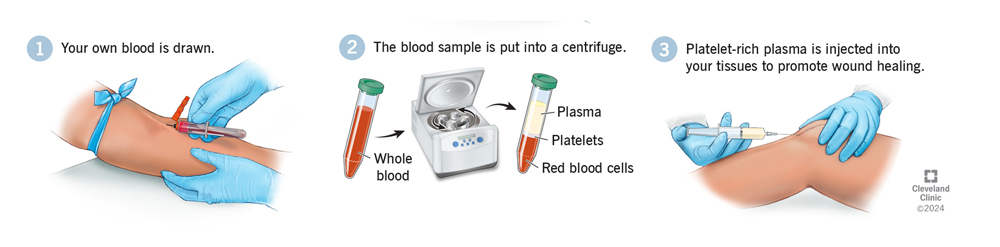
Platelet-rich plasma (PRP) therapy is a treatment that uses your own blood to help reduce pain and promote healing in large joints such as the knee, hip, or shoulder. A small amount of blood is drawn and spun in a machine to concentrate the platelets, which contain natural growth factors. This concentrated plasma is then injected into the affected joint, often using ultrasound or X-ray guidance for accuracy. PRP works by supporting the body’s natural healing process rather than just reducing inflammation. It’s commonly used for arthritis, tendon injuries, and joint degeneration. Improvement is usually gradual over weeks to months, and while PRP may not cure arthritis, it can help decrease pain, improve function, and delay the need for more invasive treatments.